Microbial Genome Synthesis
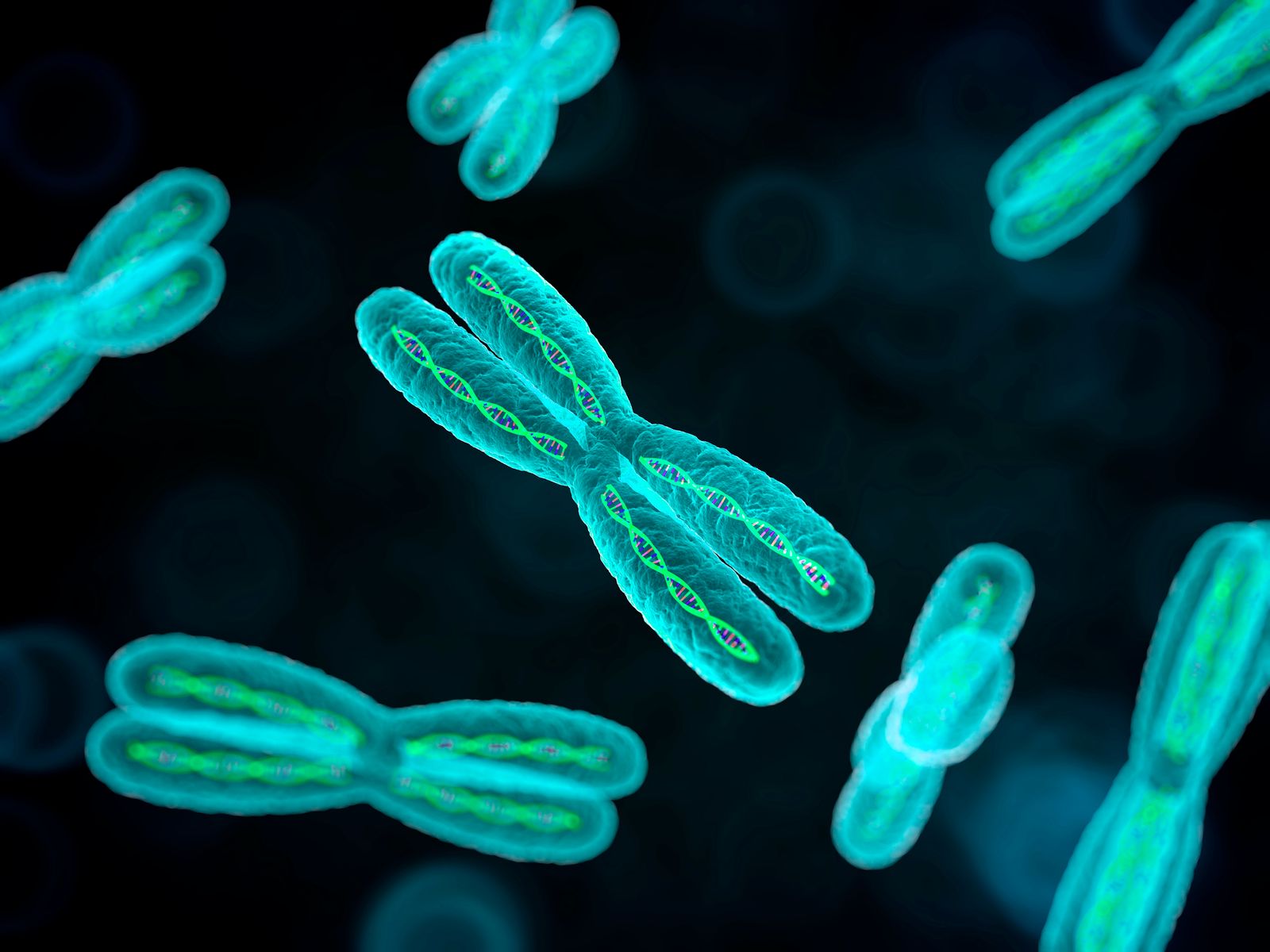
Project Summary
Our ability to write DNA has recently expanded to the genomic scale. The possibility of defining every single base in the genome of a cell enables manipulation of the most fundamental cellular properties, such as the genetic code.
However, current genome synthesis methods are slow, narrow in scope, and limited in scale. To date, the genomes of only two bacteria have been successfully synthesized. The lab is developing methodologies to make the synthesis of model organism genomes (i.e. E. coli) more rapid and enable the synthesis of the genomes of non-model bacteria to broaden the scope of genome synthesis.
The ability to routinely synthesize the genomes of a diverse set of organisms will not only allow reprogramming of the genetic code but also facilitate genome modularization and minimization. Ultimately, genome synthesis will enable biological design at the organism scale with implications in bioproduction, human health, agriculture, and beyond.
Potential Supervisors
- Professor Jason Chin (Founding Director, GBI, EIT & Professor of Chemistry and Chemical Biology, Department of Chemistry, University of Oxford)
- Dr Jérôme Zürcher (Group Leader, GBI, EIT)
Skills Recommended
- A Master’s Degree (or equivalent) in a relevant scientific discipline (e.g. Biology, Chemistry, Engineering, Computer Science)
- Experience of hands-on research in a laboratory setting
- Proven ability to work independently, think creatively, and solve complex problems
- Experience with data analysis, automation platforms, or computational tools relevant to the field
- Experience preparing publications and delivering scientific presentations
- Strong organisational skills and the ability to manage multiple parallel workstreams
- Excellent written and verbal communication skills, including the ability to collaborate across multidisciplinary teams
- A proactive mindset and enthusiasm for working in a fast-paced, high-growth research environment
University DPhil Courses
- DPhil in Chemistry
- MSc by Research in Chemistry
- Other courses to be added as GBI grows its faculty
Relevant Literature
- Robertson, W. E. et al. Escherichia coli with a 57codon genetic code. Science — eady4368 (2025).
- Zürcher, J. F. et al. Continuous synthesis of E. coli genome sections and Mbscale human DNA assembly. Nature 619, 555–562 (2023).
- Fredens, J. et al. Total synthesis of Escherichia coli with a recoded genome. Nature 569, 514–518 (2019).
- Gibson, D. G. et al. Creation of a bacterial cell controlled by a chemically synthesized genome. Science 329, 52–56 (2010).
- Wang, K. et al. Defining synonymous codon compression schemes by genome recoding. Nature 539, 59–64 (2016).
.png)






.png)