
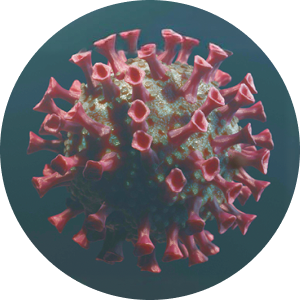
Generative Biology Institute
Building a faculty of leading researchers to tackle the key challenges in making biology engineerable and unlock its potential to benefit humanity.
Professor Jason Chin
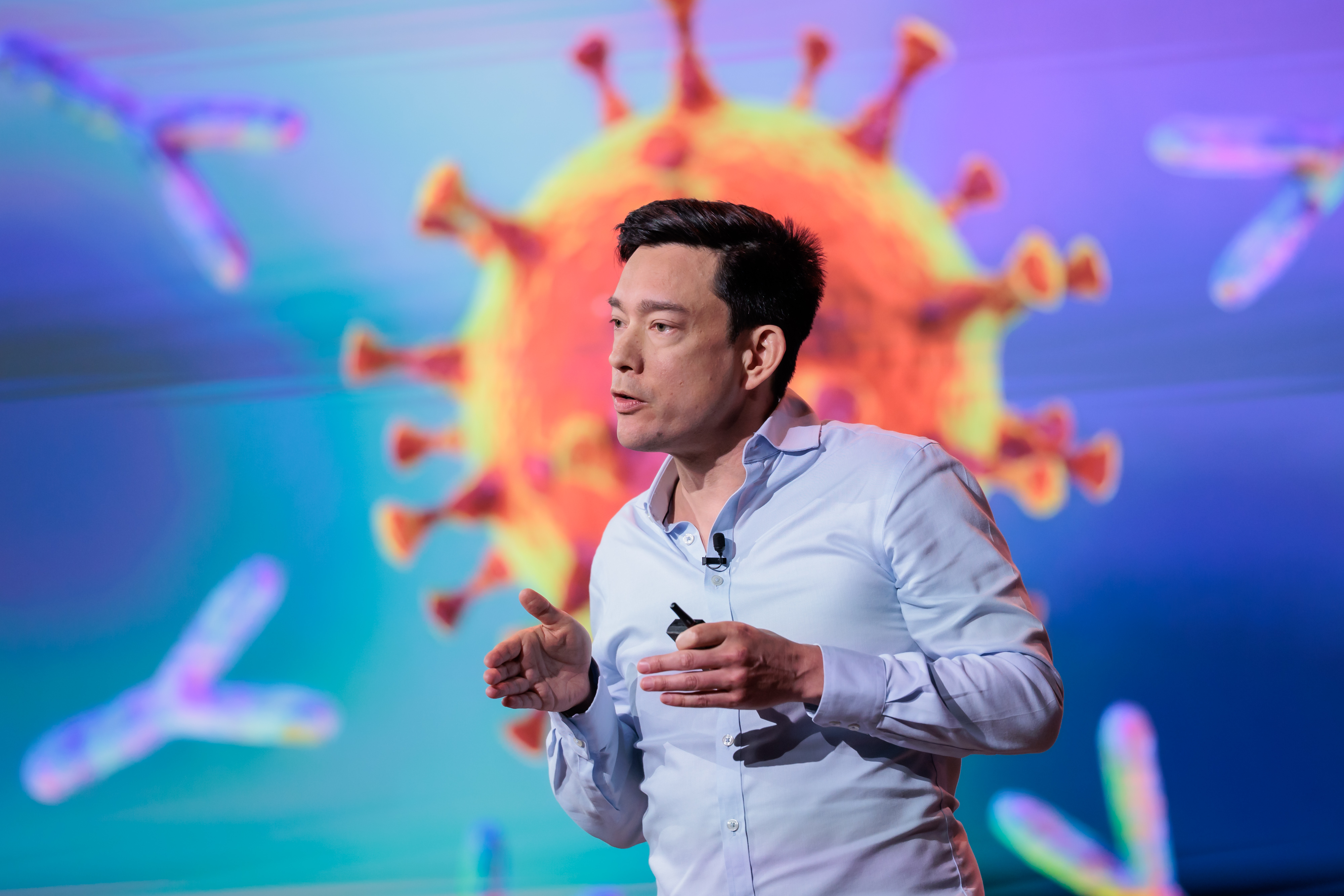
Jason is Founding Director of the Generative Biology Institute (GBI). He is also founder and CSO of Constructive Biology Ltd, which develops and applies his foundational advances in engineering biology and synthetic biology, and a Non-Executive Director at the Department of Science, Innovation and Technology.
Prior to the launch of GBI, Jason was a Programme Leader at the Medical Research Council Laboratory of Molecular Biology (MRC-LMB), where he was also a Head of the Centre for Chemical & Synthetic Biology (CCSB) and joint Head of the Division of Protein and Nucleic Acid Chemistry. He was also a Professor of Chemistry and Chemical Biology at the University of Cambridge Department of Chemistry, a founding Associate Faculty Member in Synthetic Genomics at the Wellcome Sanger Institute, and a fellow and director of studies in Biochemistry at Trinity College, Cambridge.
He was awarded the Francis Crick Prize by the Royal Society in 2009 and the Royal Society of Chemistry’s Corday Morgan Prize and the European Molecular Biology Organization’s (EMBO) Gold Medal, in 2010. He is the inaugural recipient (2011) of the Louis-Jeantet Young Investigator Career Award and in 2019 he was awarded the Sackler International Prize in the Physical Sciences. Jason is in the European Patent Office Inventor Hall of Fame, a member of EMBO, a Fellow of the Academy of Medical Sciences, and a Fellow of The Royal Society.
Latest News
Related Team Members


Dr Kiarash Jamali

James Clarke

Dr George Young
Careers inGenerative Biology Institute
The GBI team aims to unlock the blueprint of life, enabling the rapid and scalable synthesis of entire genomes with newfound precision. Success would enable the identification and potential creation of DNA sequences that could generate biological systems designed to perform specific functions. These new DNA construction techniques could have a wide range of commercial applications, including designing more efficient crops with higher yields or finding personalised cell therapies and vaccines. Specially engineered cell processes could also support new biodegradable materials to help tackle the problems of climate change.

Lorem ipsum dolor sit amet
Lorem ipsum dolor sit amet, consectetur adipiscing elit, sed do eiusmod tempor incididunt ut labore et dolore magna aliqua. Ut enim ad minim veniam.
"What I love about EIT is the sense of community - people are open, collaborative and genuinely willing to share ideas. It creates an environment where you can ask questions, learn every day and feel part of something meaningful."

—Somya AgrawalCommercial Projects Manager